










Analyzing the psychology of gambling behavior in casinos
The Allure of the Casino Environment
When entering a casino, one is immediately enveloped in an atmosphere designed to captivate and energize. Bright lights, energetic sounds, and the faint scent of luxury create a sensation of excitement that often pulls visitors into a trance. This carefully curated environment influences behavior, from the choice of games to the amount of time spent within its walls. For many, this sensory stimulation becomes addictive, leading them to lose track of time and dollars.
Such design isn’t arbitrary; it’s a psychological strategy aimed at keeping players engaged. By maintaining a stimulating atmosphere, casinos evoke a sense of urgency and anticipation, enticing patrons not just to play but also to chase the thrill of a potential win. This environment encourages behavior that can often be detrimental, as the line between entertainment and compulsion blurs.

The Role of Risk Perception in Gambling
Risk perception plays a pivotal role in the gambling experience. Players often display a skewed understanding of odds, believing that luck or skill will lead them to success. This cognitive distortion is heavily influenced by personal experiences and the occasional big wins that are publicized. For instance, a person who wins a jackpot may mistakenly perceive that their success is replicable, urging them to play often.
The Impact of Social Influences on Gambling Behavior
Social dynamics within a casino can heavily skew individual behavior. Whether it be the cheers of teammates at a blackjack table or shared anticipation at a slot machine, these social cues create an exhilarating atmosphere where communal participation heightens the overall experience. Many gamblers find themselves more inclined to risk money when in the presence of others, driven by a sense of belonging and excitement.
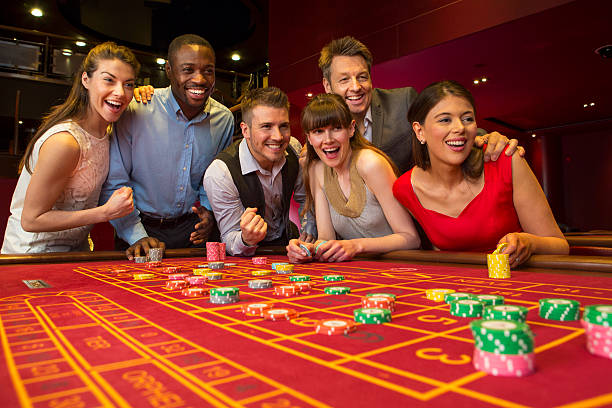
This social layer is further complicated by how gamblers identify themselves within their environment. Those who associate gambling with social interactions may be more likely to overlook their losses, justifying continued play as part of their social life. However, this can lead to an unhealthy attachment to gambling, wherein relationships and financial health may suffer in pursuit of that communal thrill.
The Role of Emotion in Gambling Decisions
Emotions significantly influence gambling choices, often leading to irrational behavior. Many gamblers experience a rollercoaster of highs and lows, each emotional state impacting subsequent decisions. For some, a win can elevate confidence to dangerous levels, leading them to chase losses or make wagers far beyond what they would normally consider.
Conversely, negative emotions, such as stress or sadness, can lead individuals to gamble as a form of escape. The act of gambling becomes a coping mechanism, where individuals seek to momentarily forget their issues. This emotional interplay complicates the gambling experience, blurring the lines between entertainment and dependency, ultimately reinforcing impulsive behaviors.
Insights and Support from the Official Website
Understanding gambling behavior requires a multi-faceted approach that takes into account the psychological aspects discussed above. Anyone seeking further insights or assistance can explore resources on the official website. This platform offers valuable information about responsible gambling practices, as well as guidance on recognizing problematic behaviors.
By equipping oneself with knowledge and understanding of the psychological triggers within casinos, individuals can better navigate their gambling experiences. The more informed players are, the better their decisions, decreasing the likelihood of engaging in harmful behaviors and ensuring that gambling remains an enjoyable recreational activity.